
Radiofrequency treatment of uterine fibroids
A minimally invasive, transvaginal, ultrasound-guided technique to treat fibroids while preserving the uterus.
What are uterine fibroids?
Fibroids, also called myomas or leiomyomas, are benign tumors that grow in the muscle of the uterus. They are not cancer. Many cause no symptoms, but others can cause heavy menstrual bleeding, pelvic pain or a feeling of pressure on the bladder or bowel, and in some cases affect fertility.
What is radiofrequency treatment?
It is a minimally invasive technique that treats the fibroid without removing the uterus. Under continuous ultrasound guidance, the fibroid is reached transvaginally with a radiofrequency needle, and an alternating-current generator delivers energy to treat the fibroid tissue.
Because it is done transvaginally, there are no incisions or scars on the abdomen.
Who is it for?
Radiofrequency is recommended mainly for fibroids up to 6 centimeters and a maximum of 3 fibroids. It is especially suitable for patients who wish to preserve their fertility.
When is it not indicated?
It is not recommended in cases of multiple fibroids or very large fibroids. In those situations other alternatives, such as surgery, are considered.
Whether the treatment is indicated is always decided after assessing your case at the consultation.
How the process works
- ConsultationWe review your symptoms and tests, measure and locate the fibroids and assess whether radiofrequency is the right option for you.
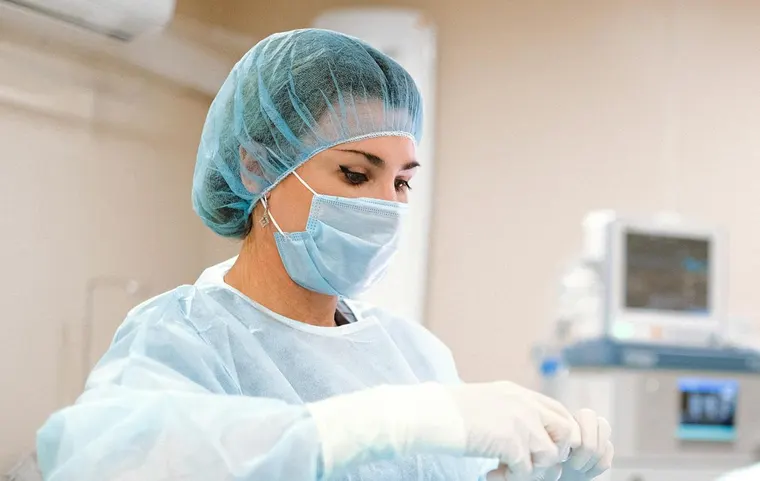
- ProcedureIt is performed in a hospital operating room, under sedation, transvaginally and guided by ultrasound. It takes about 20 minutes.
- Discharge and recoveryIt is outpatient surgery: you are discharged within a couple of hours and can resume your usual activity in 24-48 hours.
- Follow-upUltrasound check-ups at 2, 6 and 12 months to see how the fibroid evolves.
Fertility and pregnancy
Radiofrequency preserves the uterus, so it is an especially suitable option for women who wish to preserve their fertility. Pregnancy is possible after the treatment; it is recommended to wait six months before trying to conceive.
What to expect
The aim of the treatment is to reduce symptoms and the volume of the fibroid. Small fibroids may disappear, but that is neither usual nor the goal in every case.
Experience
Dr. Carmen Baixauli has performed this procedure for about five years and has treated more than 50 patients. She presented her experience at the CROG 2026 congress (see the talk).
Frequently asked questions
What are fibroids and what symptoms do they cause?
They are benign tumors of the uterine muscle. They are not cancer. Many cause no symptoms, but others cause heavy periods, pelvic pain, pressure on the bladder or bowel, or difficulty getting pregnant.
Do all fibroids need treatment?
No. Fibroids without symptoms can be monitored with regular check-ups. Treatment is considered when they cause discomfort or fertility problems. The doctor assesses each case.
What are the alternatives to radiofrequency?
Depending on the case, options include medication, myomectomy (removal of the fibroid), uterine artery embolization or hysterectomy. The choice depends on the size and number of fibroids, your symptoms and whether you wish to have children. The options are explained during the consultation.
How long does recovery take?
Most patients return to normal activity within 24-48 hours. It is outpatient surgery: you are discharged within a couple of hours.
Can I get pregnant after the treatment?
Yes, it is possible. It is recommended to wait six months after the procedure before trying to conceive.
Do the fibroids shrink or disappear?
Small fibroids may disappear, but the real aim is to reduce symptoms and the volume of the fibroid.
Where is the procedure performed and what anesthesia is used?
It is performed in a hospital operating room under sedation. The procedure takes about 20 minutes.
What follow-up is there afterwards?
Ultrasound check-ups are scheduled at 2, 6 and 12 months.
Can new fibroids appear?
Fibroids can appear throughout a woman's fertile life, so ultrasound follow-up allows any change to be detected in time.
What does it feel like during the procedure?
Radiofrequency is performed under sedation, so you feel no pain or discomfort during the procedure.
This information is for guidance only and does not replace a medical consultation. Recovery and results may vary from one patient to another.
Book an assessment of your fibroids
Book, change or cancel your appointment by phone or WhatsApp. Private practice; we do not work with insurance companies.